
Game developers love weather. Rain streaking across the windshield in a racing game, a thunderstorm rolling over an open world and changing how the enemies behave, wind bending the grass in real time. Dynamic weather has turned into a showcase feature, and some of it looks incredible.
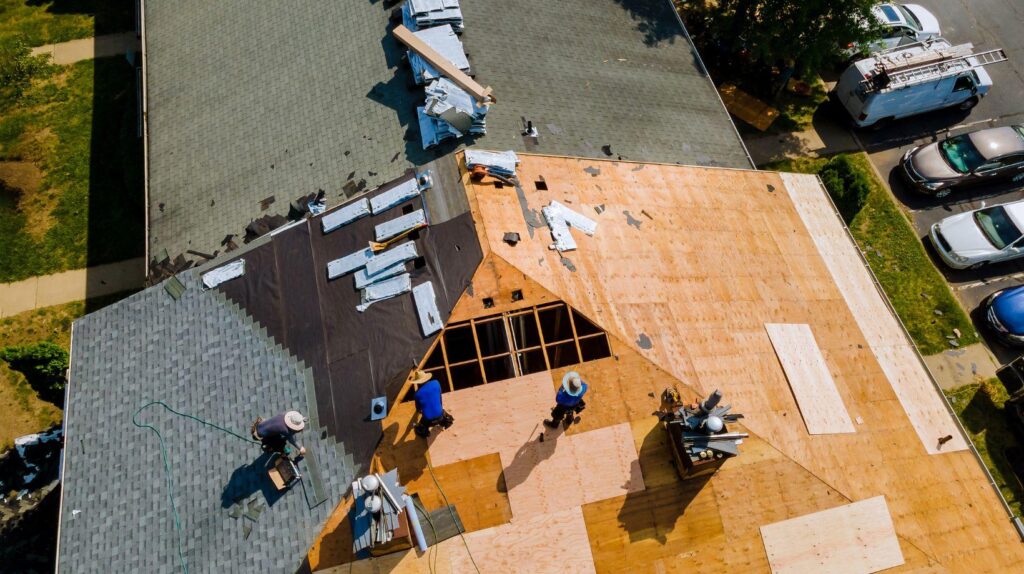
What games almost never simulate is the aftermath. Nobody in an RPG has to call an insurance adjuster after a hailstorm. In real life, especially somewhere with serious weather, a storm can reach right into your gaming setup, and in the Texas Panhandle, roofers in Amarillo spend every storm season cleaning up after exactly that. So here's the gap between game weather and the real thing, and what it means for the gear you care about.
What the games get right
A few things, honestly. Good games show clouds darkening and wind picking up before the rain hits, and real storms build the same way, which gives you a window to get ready. Racing and flight sims model wind pushing against vehicles; in the real world it pushes against roofs, siding and anything loose in the yard. And the survival games that punish you for standing on a hilltop in a thunderstorm? They're not wrong.
What they leave out
Hail, mostly. Very few games model it in any meaningful way, but for houses it's one of the most damaging kinds of weather there is. Across the Texas Panhandle it can fall any time from spring through fall. It dents gutters. It cracks siding. It knocks the protective granules off shingles, which leaves them open to leaks down the road.
Damage also doesn't reset. In a game the world snaps back once the storm passes, but a real roof bruised by hail in May might hold just fine until a heavy rain in August, and then the water finds its way through, and if your gaming room is upstairs or in a converted attic, it can end up dripping onto your desk.
And power isn't guaranteed. No game cuts the electricity mid-match because of a storm. Real ones do. Brownouts and surges interrupt updates, corrupt saves and sometimes fry hardware.
Making your setup weather-aware
You can't control the sky, but you can make the setup tougher. Start with power. Use a decent surge protector rated for your equipment, add a UPS so the PC or console can shut down cleanly in an outage, and when a severe thunderstorm warning goes out, save your progress and think about unplugging.
Placement is next. Keep expensive gear out from under skylights, attic hatches and any ceiling stain you already know about. Get power strips and cables off the floor in case water ever gets in. If the gaming room sits under a low roofline, glance at the ceiling now and then for discoloration.
Then there's heat. Upstairs rooms under a hot attic push hardware temperatures up, especially in a Panhandle summer. Proper attic ventilation cuts that heat buildup, which helps your roof and your fans at the same time.
After a real storm
Here's the post-event checklist no game will hand you:
- Look around the yard for shingle pieces or dented gutters.
- Check the ceilings in your gaming space and the upstairs rooms.
- Photograph any damage, with dates, for insurance.
- Stay off the roof and leave that to professionals.
- Get an inspection if you suspect damage.
Some local roofers offer free inspections with drone photos and a written report, which is about as close as real life gets to a minimap that marks exactly where the damage is. One locally owned Amarillo company, CRS Roofing & Construction, also helps homeowners with hail and wind claims and can put emergency tarping on if a leak is active.
Upgrade paths
If the roof does need replacing, there are materials made with rough weather in mind. Class 4 impact-resistant shingles, tested under UL 2218, hold up better against hail. Standing seam metal handles strong wind well. Better ventilation lowers attic heat and makes upstairs gaming rooms more comfortable. Call them permanent buffs to your base.
It's fun to watch a perfectly rendered storm roll across a game world from the couch. Just make sure the couch, and the gear around it, is actually safe when the real sky does the same thing, because a dry ceiling and steady power make every session better, even the ones where the in-game forecast calls for rain.